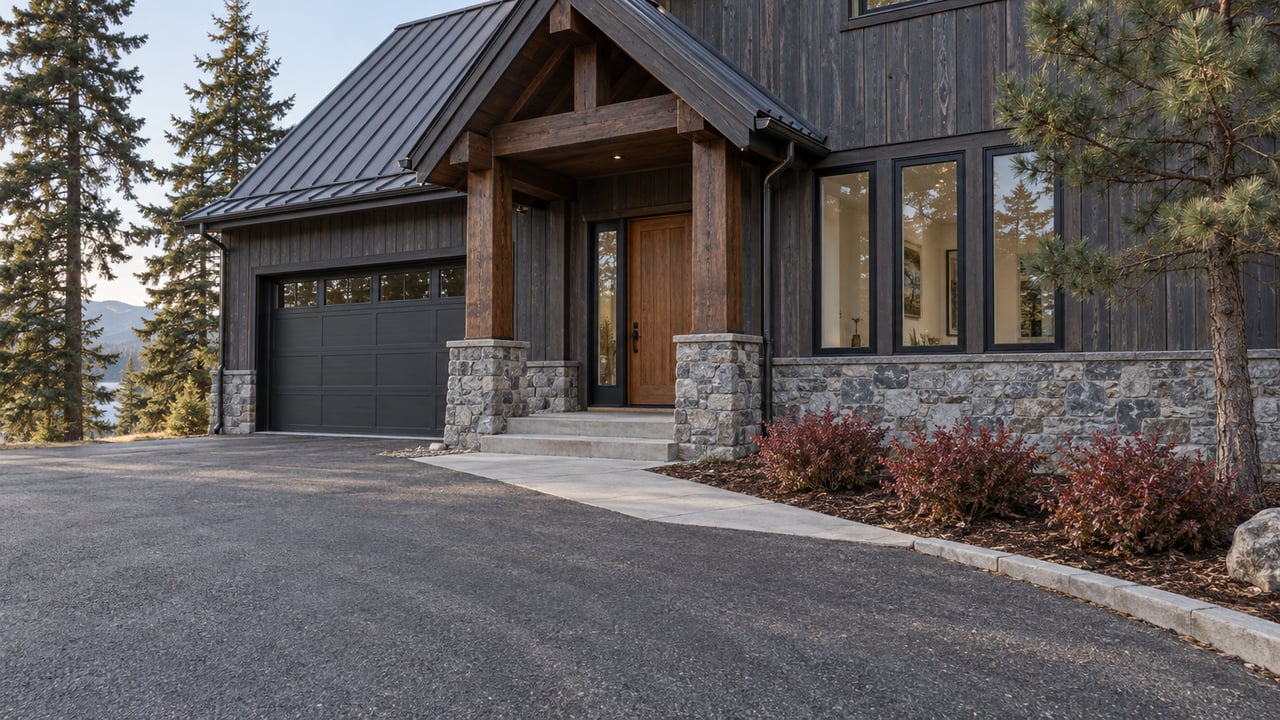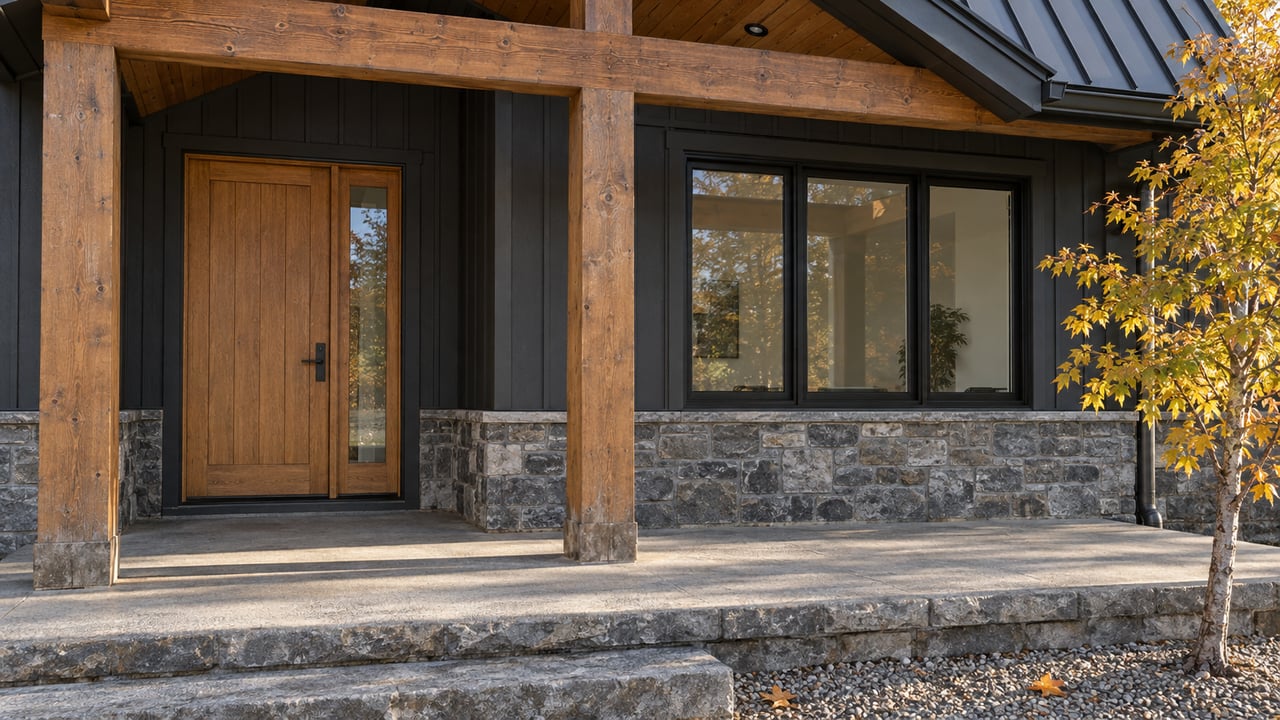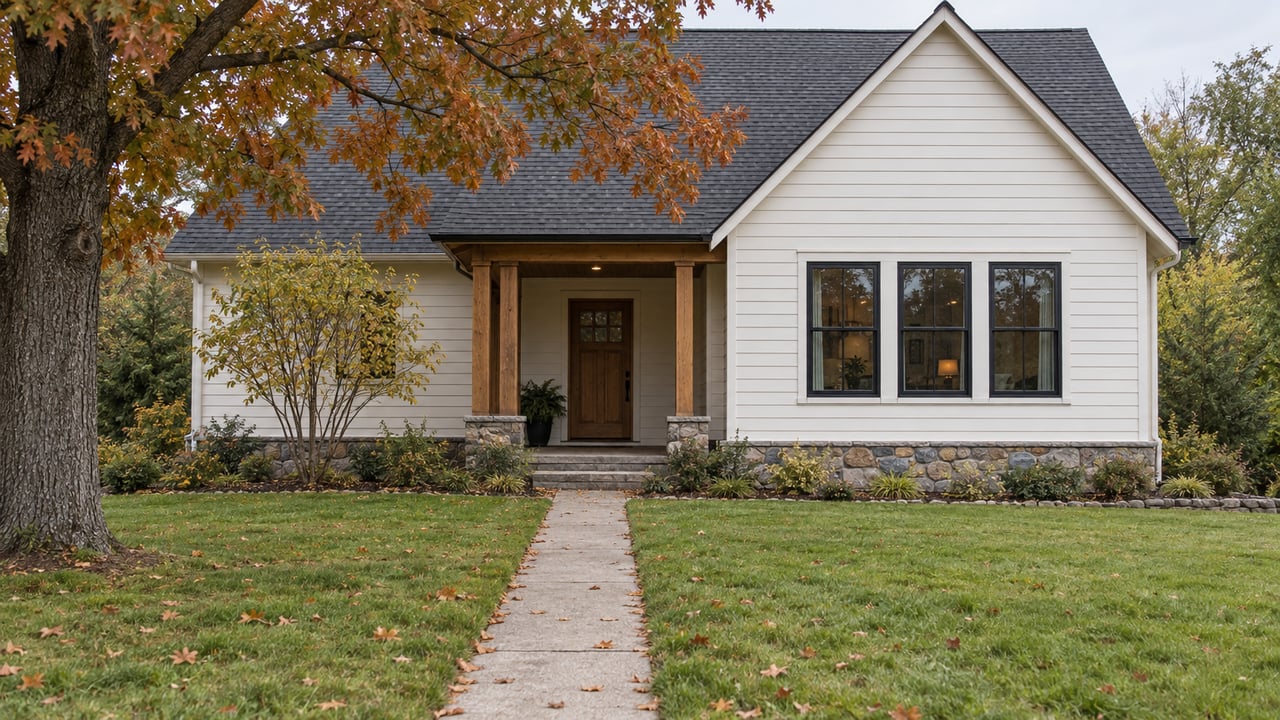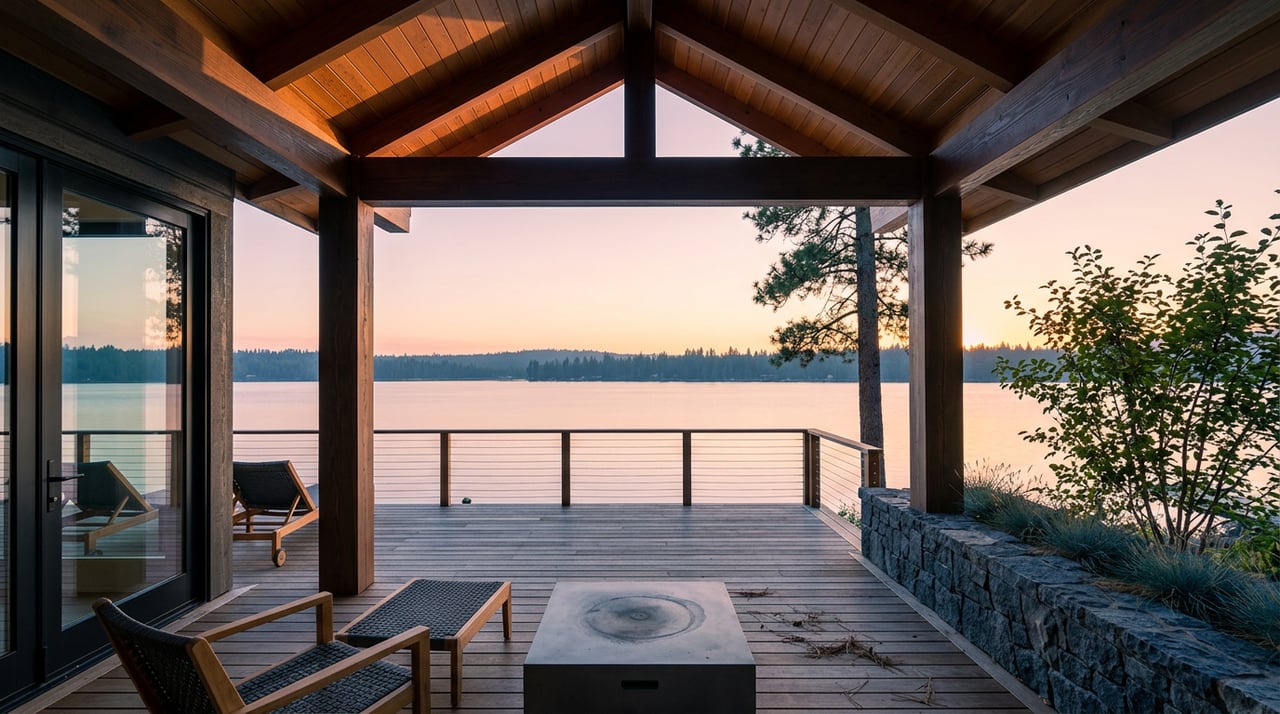
Thinking about buying a home in Sandpoint without being here in person? You are not alone, and you are right to ask more questions before you move forward. Remote buying in North Idaho can go smoothly when you know what to verify, what can change from one area to the next, and how to build the right team around you. This guide will help you understand the Sandpoint market from a distance and make smarter decisions with fewer surprises. Let’s dive in.
Why Sandpoint Feels Different
Sandpoint is the largest city in Bonner County and the county seat, but it does not behave like a one-size-fits-all market. The area blends in-town neighborhoods, waterfront homes, mountain settings, and rural properties, often within a short drive of each other. That variety is part of the appeal, but it also means two homes with similar photos can live very differently day to day.
Lake Pend Oreille is a major part of that lifestyle picture. The City of Sandpoint describes it as the largest lake in Idaho, and the city also offers free day-use boat parking downtown at Windbag Marina and City Beach Marina. For many remote buyers, that mix of scenery and practical access is a big reason Sandpoint stays on the shortlist.
The area also has a useful service base for a smaller market. Sandpoint has a free SPOT bus system, Bonner General Health serves the region as a 25-bed critical access hospital, and Bonner County notes that Sandpoint has an airport. If you are buying a second home, seasonal property, or long-distance retreat, those details matter more than they might at first glance.
Know the Communities Around Sandpoint
One of the biggest mistakes remote buyers make is treating nearby communities as if they are interchangeable. They are not. A property in Sandpoint, Dover, Ponderay, Sagle, Hope, or Clark Fork may offer a very different mix of access, road conditions, utility setup, and everyday convenience.
Dover is about three miles west of Sandpoint on the Pend Oreille River. Ponderay calls itself the gateway to Schweitzer Mountain, and Bonner County notes that Schweitzer is nine miles from Sandpoint. That may sound close, but your driving patterns, winter access, and service options can still feel very different depending on where you buy.
Bonner County also separates road maintenance into different districts, including areas such as Sagle, Priest River and Priest Lake, and north-of-Sandpoint communities like Hope and Clark Fork. That matters because road care, winter plowing, and travel times can vary by area. If you are buying remotely, local geography is not a small detail. It is part of how the home functions.
Start With Financing and Timeline
Before you fall in love with a waterfront view or a tucked-away acreage parcel, start with your financing plan. The Consumer Financial Protection Bureau recommends getting at least three preapprovals and comparing at least three mortgage offers. That gives you a better way to compare rates, fees, points, and loan terms.
For a Sandpoint purchase, this step does more than set your budget. It also helps you decide how much flexibility you have for waterfront premiums, seasonal access tradeoffs, or property improvements that may come up during inspections. A home can look ideal online, but the total cost of ownership may depend on details you uncover later.
It also helps to map the closing process early. The CFPB says the Closing Disclosure must arrive at least three business days before closing. Idaho allows remote online notarization for authorized notaries using audio-video communication technology, so a remote signing may be possible when your title or escrow team is set up for it.
Build a Strong Remote Buying Process
A smooth remote purchase usually depends on process, not luck. You need clear communication, a realistic timeline, and a plan for seeing beyond listing photos and video. In a market like Sandpoint, that means understanding not just the home, but also the road, shoreline, utility setup, and seasonal use.
Virtual tours are helpful, but they are only part of the picture. A waterfront, in-town, mountain, or rural property can each raise different questions about slope, noise, access, and infrastructure. Video can show finishes and views, but it rarely answers every practical question you need answered before you commit.
That is why local inspections matter so much. Depending on the property, you may need more than a standard home inspection. Follow-up items can include well water testing, septic evaluation, or shoreline document review.
Verify Where the Property Sits
In and around Sandpoint, location is not just about scenery. It also affects utilities, services, and sometimes what you can reasonably expect from the property. One of the first things to confirm is whether the home is inside city limits, in the Area of City Impact, or outside both.
The City of Sandpoint says city water, sewer, and sanitation are available within city limits and the Area of City Impact. Outside those areas, you may be looking at a very different utility setup. For a remote buyer, that distinction can affect maintenance needs, inspection priorities, and long-term costs.
You should also confirm zoning before making assumptions about future plans. If you are thinking about remodeling, changing use, or exploring rental possibilities, check the parcel’s zoning with the City of Sandpoint when the property is in city jurisdiction. It is much better to verify early than to make decisions based on marketing language alone.
What Waterfront Buyers Should Confirm
Waterfront homes can be some of the most compelling properties in the Sandpoint area, but they need extra due diligence. A beautiful shoreline does not automatically mean the dock is properly permitted or that the lot will function the same way year-round. Remote buyers should look past the view and confirm how the property actually works.
The Idaho Department of Lands says an encroachment permit is required before building a dock, marina, or shoreline stabilization on a navigable lake. Some projects may also require a submerged land easement or lease. If a listing includes a dock or suggests future dock potential, confirm the status and documentation.
Bonner County also warns that many lakeside and riverfront parcels are in floodplain areas. On top of that, county waterway rules include no-wake zones 200 feet from shore and speed limits on Lake Pend Oreille and other county waters. Ask how the property performs in different seasons, at different water levels, and under local boating rules.
What In-Town Buyers Should Confirm
In-town Sandpoint homes often offer convenience, but they usually come with smaller land footprints and more city-specific considerations. The tradeoff may be worth it if you want easier access to services, transit, or marinas. Still, it is smart to verify the details that affect daily use.
Sandpoint operates a free bus system and has a defined snow-removal policy. Those are meaningful advantages for some buyers, especially if you plan to use the home seasonally or want a simpler setup during winter months. But you should still ask about parking, driveway conditions, and any practical storage needs for boats or trailers.
If you are considering the home for part-time use or income potential, do not assume every in-town property can serve both goals. The City of Sandpoint regulates short-term rentals. A home that works well as a second home may not automatically qualify for vacation-rental use.
What Rural Buyers Should Confirm
Rural and edge-of-town homes can offer privacy, land, and a different pace, but they often require more hands-on verification. In many cases, these properties rely on private wells and septic systems. That means your inspection plan should go beyond the basics.
Idaho DEQ says private wells are not regulated under the Safe Drinking Water Act and should be tested at least once a year for nitrate and bacteria. If you are buying a home with a private well, water testing should be a priority. You want to understand the current condition of the water source before closing, not after.
Septic systems also need attention. Idaho DEQ says septic systems are governed by state rules and generally need pumping and service every two to three years. For remote buyers, that makes septic inspection, maintenance history, and utility verification especially important on acreage and lake-community properties.
Plan for Winter Access
Winter is not just a seasonal detail in Sandpoint. It is a real buying factor. The City of Sandpoint says winter weather typically runs from November through March, with an average of 58 inches of snowfall annually.
The city’s snow-removal policy uses plowing after two inches of accumulation, along with snow gates and seasonal parking rules. If you are buying in town, ask how street parking works, where snow gets pushed, and whether your setup leaves room for easy access in a storm. If you own a boat or trailer, off-street storage may be part of the planning.
Outside the city, road maintenance becomes even more important. Bonner County maintains 304 miles of paved roads and 375 miles of gravel roads across three road districts, and snow plowing and traction sanding are a major part of that work. Ask who maintains the road, how often it is plowed, and whether access is realistic during a heavy snow year.
For travel planning, Idaho 511 is the main tool for checking road conditions. That can be especially important if the property sits on a steeper road or depends on a single access route. A home that looks peaceful in summer may ask more of you in winter.
Protect Yourself From Wire Fraud
As closing gets closer, keep your fraud controls tight. The CFPB says mortgage closing scams target homebuyers near closing. The Federal Trade Commission warns against wiring money to someone you have not met in person.
In practice, that means you should verify wiring instructions independently using trusted contact information. If you receive a last-minute change to payment instructions, treat it as suspicious until you confirm it through a known source. This is one of the simplest ways to protect a remote purchase.
A Smart Sandpoint Remote Buyer Checklist
If you are buying from out of town, keep this checklist in front of you as you narrow your options:
- Confirm whether the property is in city limits, the Area of City Impact, or outside both
- Compare at least three mortgage offers and build a realistic budget
- Ask about road maintenance, plowing, and winter access
- Match virtual tours with a local inspection strategy
- Verify well, septic, and utility details for rural properties
- Confirm dock permits, floodplain status, and shoreline use for waterfront homes
- Check zoning and short-term rental rules before assuming future use
- Verify wiring instructions independently before sending funds
Why Local Guidance Matters for Remote Buyers
Remote buying works best when you have someone local who understands how Sandpoint’s micro-locations, property types, and seasonal conditions affect value and livability. A lakefront home, an in-town property, and an edge-of-town acreage parcel may all fit your budget, but they can deliver very different ownership experiences.
That is where strong local guidance can save you time and help you avoid expensive assumptions. When you are not here in person, details like road districts, utility service areas, dock documentation, and winter logistics carry even more weight. The goal is not just to buy a beautiful home. It is to buy the right home for how you plan to use it.
If you are exploring homes in Sandpoint from out of market, Monique Thielman can help you evaluate lifestyle fit, property details, and the questions worth asking before you move forward.
FAQs
What should remote buyers verify first about a Sandpoint home?
- Confirm the property location, utility setup, access, and financing plan first, because those factors shape inspections, ownership costs, and year-round use.
What do waterfront buyers in Sandpoint need to check?
- Verify dock permit status, shoreline documentation, floodplain exposure, and how the property functions across changing water levels and seasonal boating rules.
What should buyers know about rural homes near Sandpoint?
- Rural and edge-of-town homes often rely on private wells and septic systems, so water testing, septic inspection, and utility verification are important steps.
What should in-town buyers in Sandpoint ask about?
- Ask about utility service, zoning, snow removal, parking, and whether short-term rental rules affect how you hope to use the home.
How important is winter access for homes in Bonner County?
- Winter access is a major factor because snowfall, road district maintenance, plowing frequency, and steep or single-route roads can all affect daily use.
Can a home in Sandpoint automatically be used as a short-term rental?
- No. The City of Sandpoint regulates short-term rentals, so you should confirm the current rules before assuming a property can be used that way.