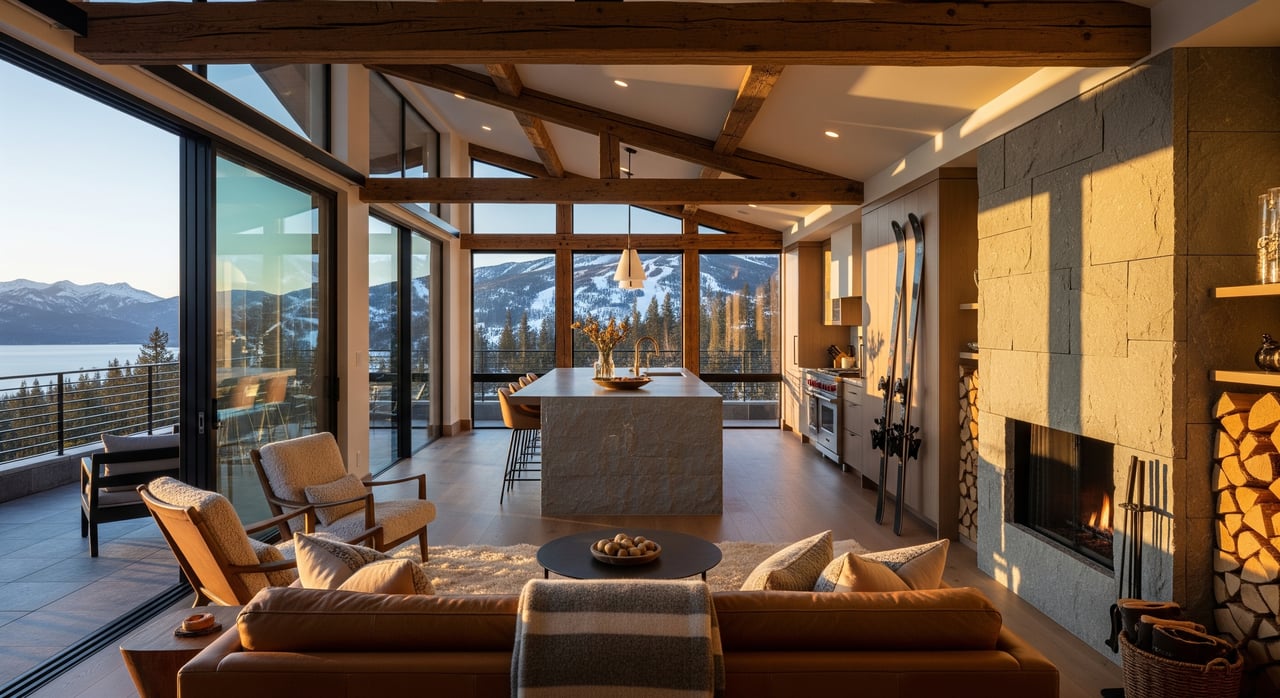
Dreaming of clicking out of your skis and walking straight to a warm fireplace in your own mountain condo? If you are eyeing Schweitzer near Sandpoint, you are not alone. Many buyers come from out of the area seeking a simple lock-and-leave home base with rental potential. In this guide, you will learn the essentials of ownership, HOA rules, rental realities, financing, risk checks, and day-to-day life on the mountain so you can buy with confidence. Let’s dive in.
Why Schweitzer condos appeal
Schweitzer Mountain Resort offers a true four-season lifestyle with reliable winter operations and expanding summer recreation. Proximity to lifts and amenities makes condos especially attractive if you want convenience and the option to rent during peak weeks. You will weigh tradeoffs such as ski-in access versus budget, older buildings versus newer amenities, and HOA fees versus services covered.
If you plan to rent your condo part-time, know that winter holidays and long weekends typically drive most of the annual income, while summer events and biking add meaningful shoulder-season demand. The resort environment supports that versatility and keeps resale interest strong, especially for well-located, well-managed units. Explore current operations and guest services on the Schweitzer Mountain Resort site for a sense of seasonality and amenities.
Know your ownership and HOA
Condo ownership at a mountain resort is not the same as a single-family home. You will likely own the interior of your unit while the HOA manages building systems and common areas. Read the full HOA packet and understand your responsibilities before you write an offer.
What HOA fees often cover
- Exterior maintenance, roofing, and snow removal
- Building insurance for common elements and structure
- Common area utilities and amenities like lobbies, elevators, pools, or hot tubs
- Landscaping and parking lot care
- Management services and on-site staff where applicable
Interior systems and finishes inside your unit are commonly your responsibility. Ask for a clear itemization of what the fee includes, such as water, sewer, trash, internet, and cable.
Rental rules matter
Do not assume nightly rentals are allowed. Confirm whether short-term rentals are permitted and if there are minimum stays, on-site check-in requirements, guest registration processes, or caps on the number of rentable units. Some HOAs require a local property manager, impose additional fees for guest turnover, or set peak-week restrictions. These rules directly affect income and your own use of the condo.
Due diligence to request
- CC&Rs, bylaws, rules, current budget, and last 12 months of financials
- Reserve study and a capital improvements plan
- Board meeting minutes and assessment history
- Insurance summary with master policy coverage and deductibles
- Rental policy language and any incident reports
- Parking and storage rules, including ski and bike storage
Mountain buildings face heavy weather, so pay special attention to reserve funds, roof and siding plans, elevator or boiler life cycles, and underground utilities. A healthy reserve study and transparent governance make financing and resale easier.
Access, seasonality, and daily life
Getting to the mountain
Out-of-area owners often fly into Spokane International, then drive roughly 1 to 1.5 hours depending on route and weather. Road conditions vary in winter, so confirm typical access, plowing schedules, and any chain or vehicle recommendations if you plan to host guests. Check shuttle options and on-mountain transit on the Schweitzer Mountain Resort site to understand how your building connects to lifts and the village.
Peak seasons and rental demand
Winter holidays, long weekends, and popular school breaks tend to produce the highest nightly rates and occupancy. Summer is increasingly active with mountain biking, hiking, and festivals, which stretches the rental season. Expect lower midweek occupancy in winter and softer shoulder seasons. When modeling income, base projections on actual statements for your unit or close comps rather than generic averages.
Maintenance and winterization
Seasonal use calls for simple, reliable systems. Have a clear winterization plan, including thermostat settings, freeze protection for plumbing, and shut-down checklists for extended absences. Ask for 12 months of utility bills to understand monthly carrying costs. Evaluate building age and systems such as roofs, cladding, elevators, boilers, and hot water plants since these can trigger future assessments.
Storage, parking, and shuttles
Ski and bike storage is a quality-of-life issue for owners and guests. Verify secure storage options, availability, and any fees. Parking can be limited near the slopes, and some properties use remote lots with shuttle service. Confirm owner spaces, guest passes, and rules for busy weekends.
Insurance and risk checks
Condo insurance often includes a master policy that covers the structure and common areas, while you carry an HO-6 policy for interior finishes, personal property, liability, and optional loss of rental income. Ask the HOA to detail master policy deductibles for wind, hail, or fire, since large deductibles can be passed through as assessments.
The Inland Northwest has wildfire exposure and seasonal smoke. Speak with an insurance professional early, and review underwriting practices through the Idaho Department of Insurance. Also check slope stability concerns and surface water management, and review FEMA maps for flood and runoff context at the FEMA Flood Map Service Center. If your lender requires specific coverages, those can affect closing timelines and operating costs.
Financing a Schweitzer condo
Second-home loans and investment property loans have different requirements than primary residences. Lenders may require higher down payments, apply slightly higher rates for non-owner-occupied properties, and scrutinize HOA health, reserve studies, and any litigation. Appraisals can be more complex in resort markets due to fewer direct comps.
To understand the differences in loan types and underwriting, review guidance from the Consumer Financial Protection Bureau and speak with lenders who have direct experience in resort condos. Expect second-home down payments to be in the 10 to 20 percent range in general industry practice, and investment property loans to require 20 to 25 percent or more. Your specific terms depend on your lender and the building’s profile.
Taxes, permits, and STR compliance
Property taxes are assessed by Bonner County. Review recent tax bills and classification with the Bonner County Assessor. If you plan to rent your condo short term, you will likely need to collect and remit lodging or occupancy taxes and comply with local registration rules. Check current requirements with the City of Sandpoint and confirm county-level rules and state guidance through the Idaho State Tax Commission.
If your HOA collects or remits certain taxes for owners, verify the process in writing. Noncompliance can lead to fines or booking disruptions, so build compliance steps into your property management plan.
Modeling rental income the right way
Your net income depends on many variables. Start with real rental histories and seasonal booking calendars for your unit or close comps. Layer in the full slate of costs and be conservative with assumptions.
Key income drivers:
- Proximity to lifts and owner parking
- Sleeping capacity and layout for families or groups
- Updated interiors, gear storage, and building amenities
- Marketing, photos, and guest reviews
Common operating costs:
- Management fees, often 20 to 40 percent for full-service managers
- Cleaning and turnover fees
- HOA dues and special assessments
- Utilities, internet, supplies, and routine maintenance
- Lodging taxes and registration fees
Stress-test your pro forma for low-snow winters, softer travel cycles, and off-peak periods. Ask any prospective manager for performance metrics, fee schedules, and sample owner statements.
Resale and long-term value
Resort condos can be less liquid than primary homes, especially in slower markets. Location, amenities, and building health shape resale value. Ski-in access, parking, storage, updated finishes, and proven rental histories help. Buildings with strong reserves and clear financial reporting are easier to finance and sell. Ask your agent for recent local sales and time-on-market patterns from the regional MLS to guide pricing and holding period expectations.
A simple buying checklist
- Clarify your goal: personal use, hybrid use, or primarily income
- Tour in winter and shoulder seasons to test access and noise
- Obtain the full HOA packet and reserve study
- Review master insurance and HO-6 needs with an insurance broker
- Pull 12 months of utilities and HOA statements
- Request rental histories, P&Ls, and guest feedback if applicable
- Get lender pre-approval with a resort-experienced lender
- Confirm short-term rental permissions and tax registration steps
- Verify parking, storage, shuttle access, and gear logistics
Ready to move from research to action? You can simplify each step with clear documents, smart financing, and local guidance.
When you are ready to explore specific buildings, compare HOA health, or pressure-test a rental pro forma, reach out to a trusted local advisor. For concierge-level guidance, market insight, and seamless coordination from offer to closing, connect with Monique Thielman.
FAQs
Are short-term rentals allowed at Schweitzer condos?
- It depends on the specific HOA and local rules. Confirm written policies on minimum stays, local manager requirements, guest registration, and any caps before you buy.
How far is Schweitzer from Spokane International Airport for owners and guests?
- Plan on roughly a 1 to 1.5 hour drive depending on route and winter weather, and confirm travel time and conditions for your specific property.
What does a typical Schweitzer HOA fee include?
- Many cover exterior maintenance, snow removal, building insurance, and common utilities or amenities, while interior systems are usually the owner’s responsibility.
How should I estimate rental income for a condo at Schweitzer?
- Use actual rental statements for the unit or close comps, then subtract management fees, cleaning, HOA dues, utilities, maintenance, taxes, and reserves to model net income.
Do I need special insurance for a mountain resort condo?
- You will likely carry an HO-6 policy for interiors, contents, liability, and optional loss of rental income. Review master policy deductibles and wildfire or flood considerations early.
What down payment should I expect for a second-home condo?
- Many second-home loans require at least 10 to 20 percent down in common industry practice, while investment property loans often require 20 to 25 percent or more. Terms vary by lender and building.