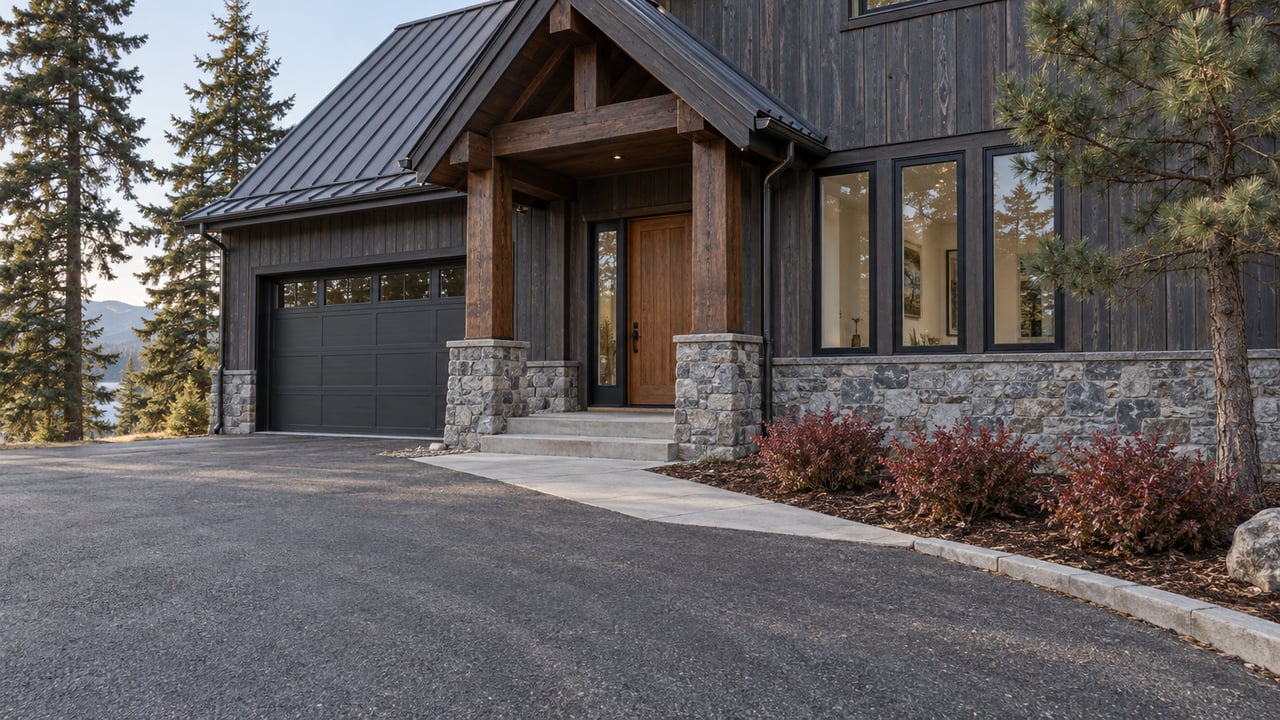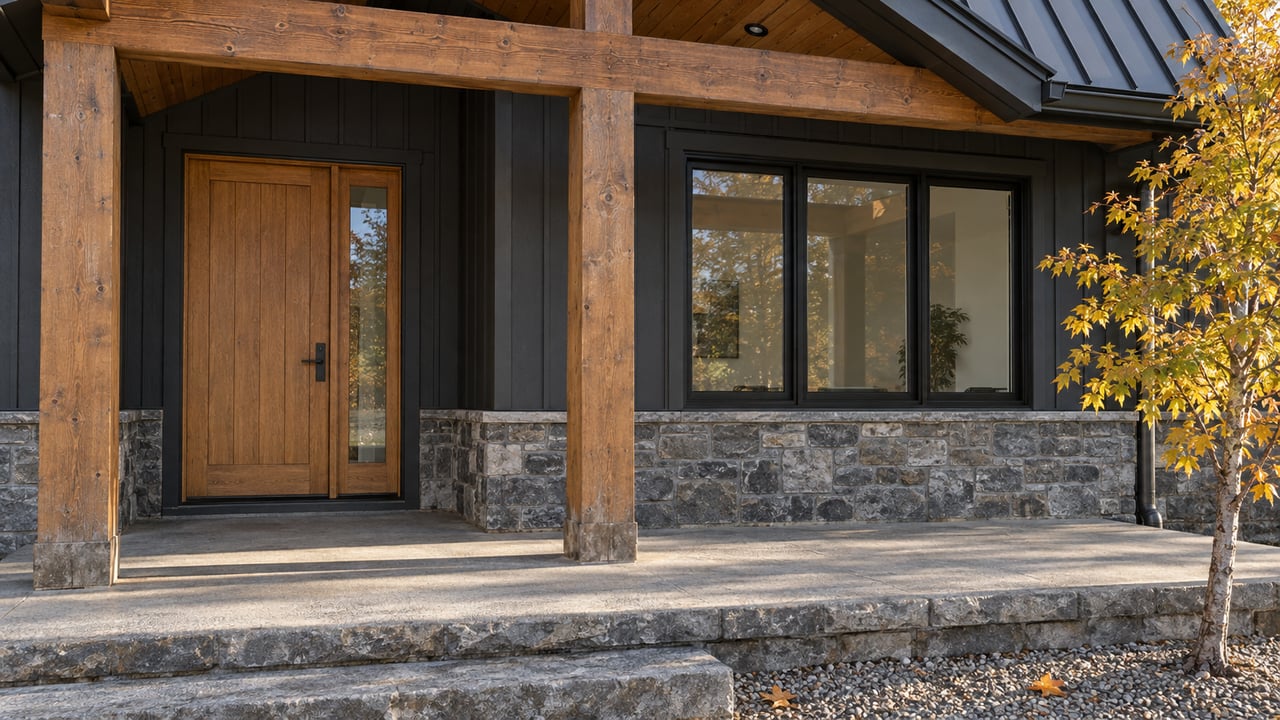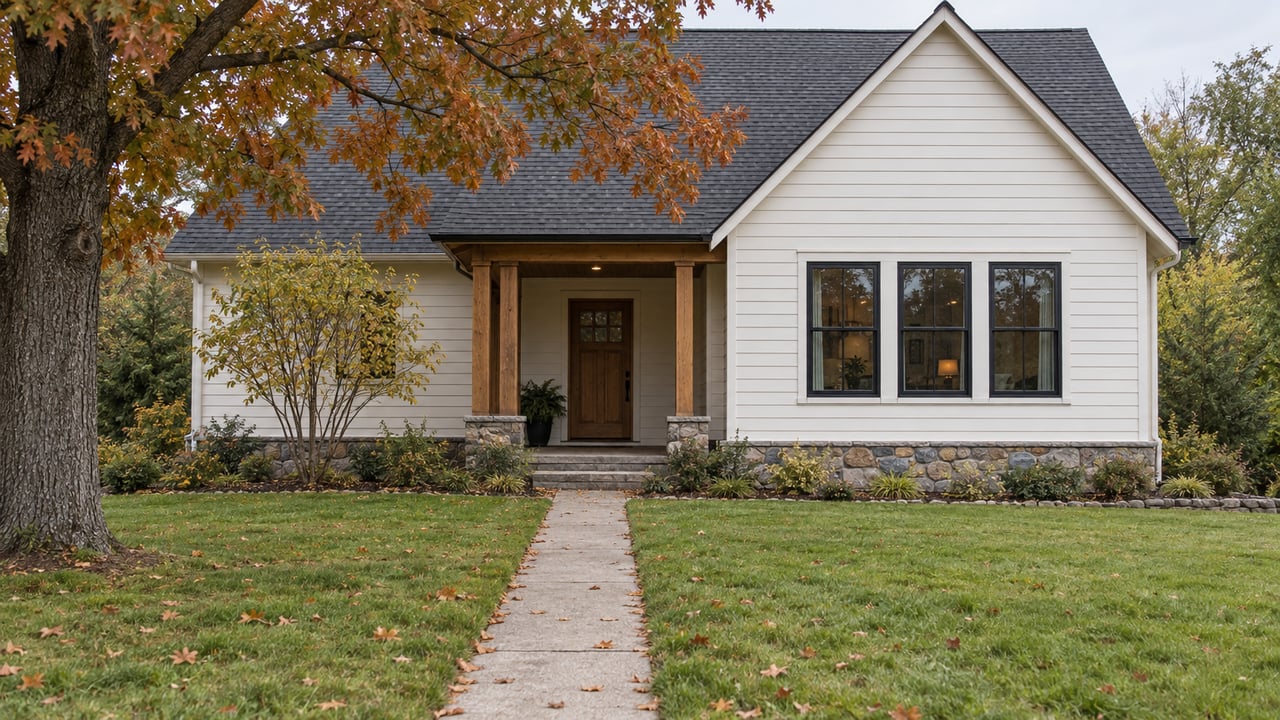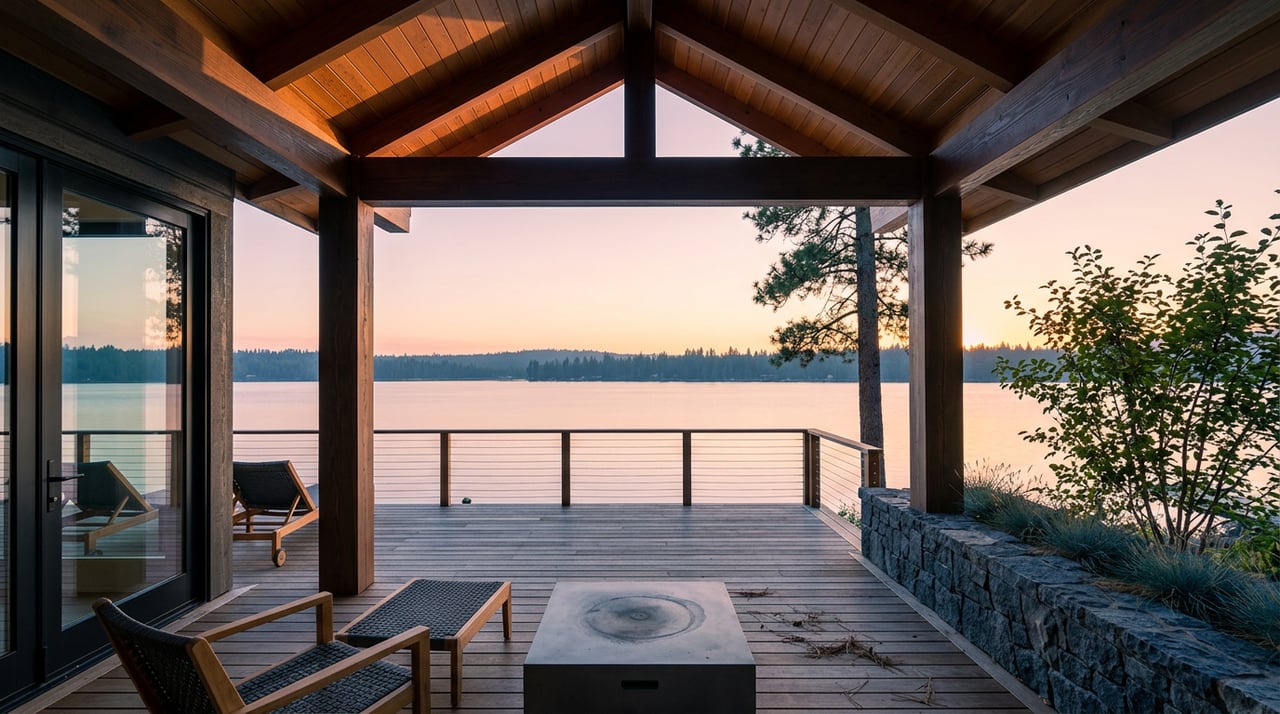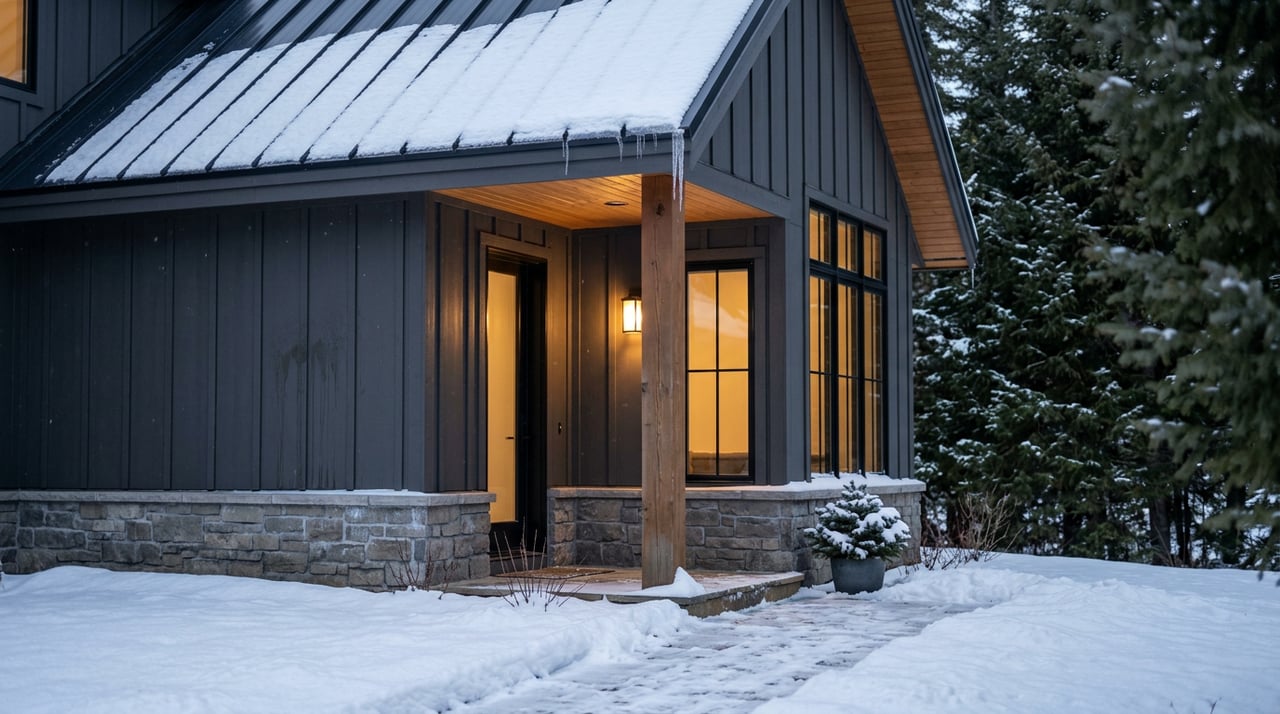
Ask a lender to appraise two homesites on Schweitzer Mountain this summer, both marketed as "ski-in/ski-out," and you may get two very different answers. One sits in an established neighborhood, where skiers already glide down a groomed run into the village every winter. The other sits higher on the mountain, on a lot where the listing describes private, ungroomed terrain leading toward a trail the resort's own master plan calls for but has not yet built. Both listings use the same three words. Only one of them is describing something that exists today.
That gap, between built access and promised access, is the detail buyers touring Schweitzer this year need to price in before they price anything else. It shows up again in the HOA line item, where a fee that looks identical on paper can mean street heating and lodge access in one neighborhood and almost nothing beyond a mailbox in another. Understanding both gaps is the difference between buying a mountain lifestyle and buying a bet on one.
The Label Doesn't Mean What You Think
Buyers guides for mountain real estate typically draw a line between "true" ski-in/ski-out, where a groomed run or dedicated trail reaches the door, and "ski-adjacent," where getting to the lift means a short walk, a shuttle, or crossing a residential road. Schweitzer has both, sometimes on the same street. A lot that backs onto an already-groomed trail below the Selkirk or White Pine lodges is a different product than a lot where the route to snow depends on private grading a builder still has to finish, or on a lift the resort has only sketched on a master plan map.
This matters for financing as much as for lifestyle. Lenders treat true slopeside condos and speculative bareland lots differently, and appraisers pull comps that reflect actual, not promised, access. A buyer comparing two lots at similar price points needs to ask whether they are financing a mountain home or financing a construction project with a ski trail attached.
Alterra's Master Plan Is the Mechanism, Not the Marketing Copy
Schweitzer is owned by Alterra Mountain Company and sits inside the Ikon Pass network, a detail that shapes far more than lift ticket pricing. Alterra's plans for the resort include a second base area with roughly 1,400 additional parking spots, a project first announced in 2024 and still referenced in coverage as recent as January 2026, when Seattle Met noted the master plan itself actually predates Alterra's acquisition of the resort. The resort's own capital spending backs this up. Recent seasons brought the 31-room Humbird boutique hotel, the Cambium Spa, a new high-speed lift, and Schweitzer Backcountry Adventures, a guided snowmobiling and cat-skiing program covering more than 4,000 additional acres, all part of what the resort describes as over $75 million invested in the last five years, according to reporting in the Bonner County Daily Bee last October.
That is a real corporation with a real balance sheet, and it is worth remembering that the timeline for any expansion belongs to Alterra's capital planning, not to the buyer of a lot betting on it. That report also quoted Schweitzer's president and chief operating officer, Tom Chasse, saying:
"Each winter brings new opportunities for our guests to experience Schweitzer in fresh ways. From unique dining at the summit to expanded youth programs, these additions complement the significant investments we've made in recent years and underscore our commitment to delivering an exceptional mountain experience."
That commitment is genuine and well documented. It is also a corporate roadmap, not a closing date. A lot priced against a future lift is a lot priced against a plan that a publicly capitalized mountain operator controls entirely on its own schedule.
Two Neighborhoods, Two Different Products
Compare the mountain's older, built-out enclaves to its newer, higher-elevation developments and the pattern is consistent: established neighborhoods sell certainty, newer ones sell upside.
| Established (built-out access) | Newer, higher-elevation homesites | |
|---|---|---|
| Ski access | Existing groomed trail or short glide to village | Private gladed terrain, or access tied to a planned trail |
| Infrastructure | Water, sewer, and roads already in place | Sometimes still pending engineered plans or utility hookups |
| HOA | Established, with a known scope of services | Newer or absent, scope still being defined |
| What you're pricing | The mountain as it exists today | The mountain as the master plan says it will exist |
Take Mountainside, one of the mountain's more established subdivisions. Back when it was still building out under its earlier name, Trappers Creek, the Coeur d'Alene Press reported that lots started around $250,000 with sewer and water already connected, and that the neighborhood's HOA fee ran about $250 a month, a fee that covered the natural gas cost of heating the streets and included access to the pool and exercise room at the Selkirk Lodge. That is roughly a decade of runway behind it now, which means a buyer today is looking at a known quantity: a built neighborhood with a defined, longstanding service package.
Newer developments higher on the mountain are a different proposition. Several homesites currently on the market there are sold with engineered plans, geotechnical surveys, and architectural committee approvals already completed, which does remove real friction from the building process. But the ski access on some of these lots depends on private gladed terrain the buyer or builder still has to clear, or on trail and lift connections the resort's master plan calls for and has not yet built. Some of these newer lots also carry no HOA at all, at least for now, since the community association structure for a still-developing neighborhood is often defined later, once enough lots have sold and built out to justify one.
Neither product is inherently the wrong choice. But they are not the same purchase, and a listing description built around "ski-in/ski-out" flattens a distinction that matters enormously to how the lot performs, both as a place to live and as an asset.
The HOA Line Item Hides Three Different Products
Even within Schweitzer's existing HOAs, the number on the disclosure sheet does not tell you what it buys. A monthly fee in the low hundreds might cover street heating and lodge amenities, the way Mountainside's historically has. A condo HOA fee in the village can land anywhere from a modest monthly charge to a much larger quarterly bill, and the difference usually comes down to whether snow removal, building maintenance, and insurance reserves are bundled in or billed to owners separately. And a growing number of bareland lots on the mountain right now carry no HOA at all, which sounds like a savings until you are the one plowing your own private access road after a heavy storm cycle, or negotiating your own arrangement for community water and sewer.
The honest way to evaluate any Schweitzer HOA is to ask what specific services it funds this season, not what the fee happens to be. A low fee that excludes snow removal on a north-facing driveway can cost more in labor and ice management over a winter than a higher fee that includes it.
What Nearly Three Years of Data Still Tells You
The last widely cited market snapshot for the mountain, reported in November 2023, showed a median sales price for condos and townhomes of $871,250 and a median land price of $1,398,000, with only 1.6 months of supply and a median of 35 days on market. Those numbers are old enough now that they should not be read as today's pricing. What they do confirm, and what current listing activity on the mountain still suggests, is that inventory at Schweitzer has run persistently thin for years, particularly for genuinely slopeside product. That scarcity is part of why the gap between built access and promised access carries a real price premium either way. Buyers are not just competing for homes, they are competing for a small, fixed supply of lots that already have what newer lots are still waiting on.
Questions Worth Asking Before You Write an Offer
- Does the route from this door to snow exist today, or does it depend on private grading or a planned lift?
- What exactly does the HOA fee fund this season: snow removal, street heating, building reserves, or nothing beyond a shared water line?
- Is the lot's utility connection paid and active, or a future cost the closing statement doesn't show?
- If this is a second home, has a lender confirmed how the property type affects financing terms before you're under contract?
A Short FAQ
Does every Schweitzer HOA include snow removal? No. Coverage varies significantly by building and by neighborhood. Some fees include plowing, street heating, and building reserves. Others cover only shared utilities or common area upkeep. Ask for the current HOA budget and reserve study before assuming what a fee includes.
Is a lot with no HOA a better deal? Not automatically. A no-HOA lot shifts costs like snow removal, road maintenance, and sometimes utility coordination directly onto the owner. It can be the right fit for a buyer who wants control over those decisions, but it is rarely cheaper once winter carrying costs are counted.
Does Alterra's master plan guarantee the second base area or new lift will be built on a specific timeline? No. The plan has been publicly discussed since 2024 and is still referenced in current resort coverage, but it reflects the resort operator's long-range planning, not a committed construction date a buyer can rely on for a specific closing or resale timeline.
Comparing Schweitzer neighborhoods on square footage and view alone misses the two variables that actually separate one lot from another: how much of the "ski-in/ski-out" label is already built, and what the HOA fee is actually funding this winter. Both take local, listing-by-listing digging to sort out.
If you are weighing a homesite in one of Schweitzer's established enclaves against a newer, higher-elevation lot, Monique Thielman can walk the specific HOA documents, access routes, and utility status with you before you tour. Start Your Waterfront Journey — Schedule a Consultation.
This article is general information, not legal, tax or financial advice. Consult a qualified professional about your situation.