On April 7, 2026, a group of neighbors filed into the gym at Sagle Elementary School for a hearing that had nothing to do with the school and everything to do with a dock. The Sourdough Point Homeowners Association wanted to add two slips to its community dock on Lake Pend Oreille. An administrative law judge presided. An Idaho Department of Lands resource supervisor testified about something called the "line of navigability." Exhibits included plat maps from 1961, 1966, and 1968, and a comparison of boat slips to homeowners going back decades. A final order didn't come down until May.
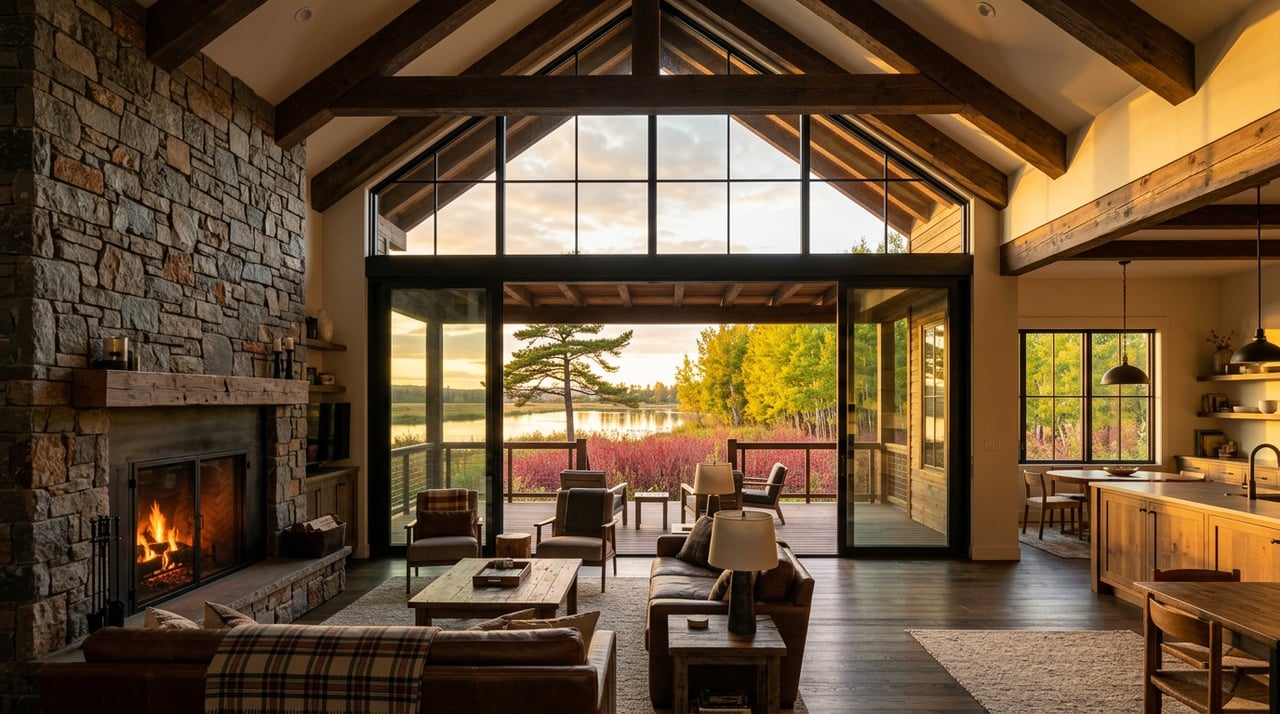
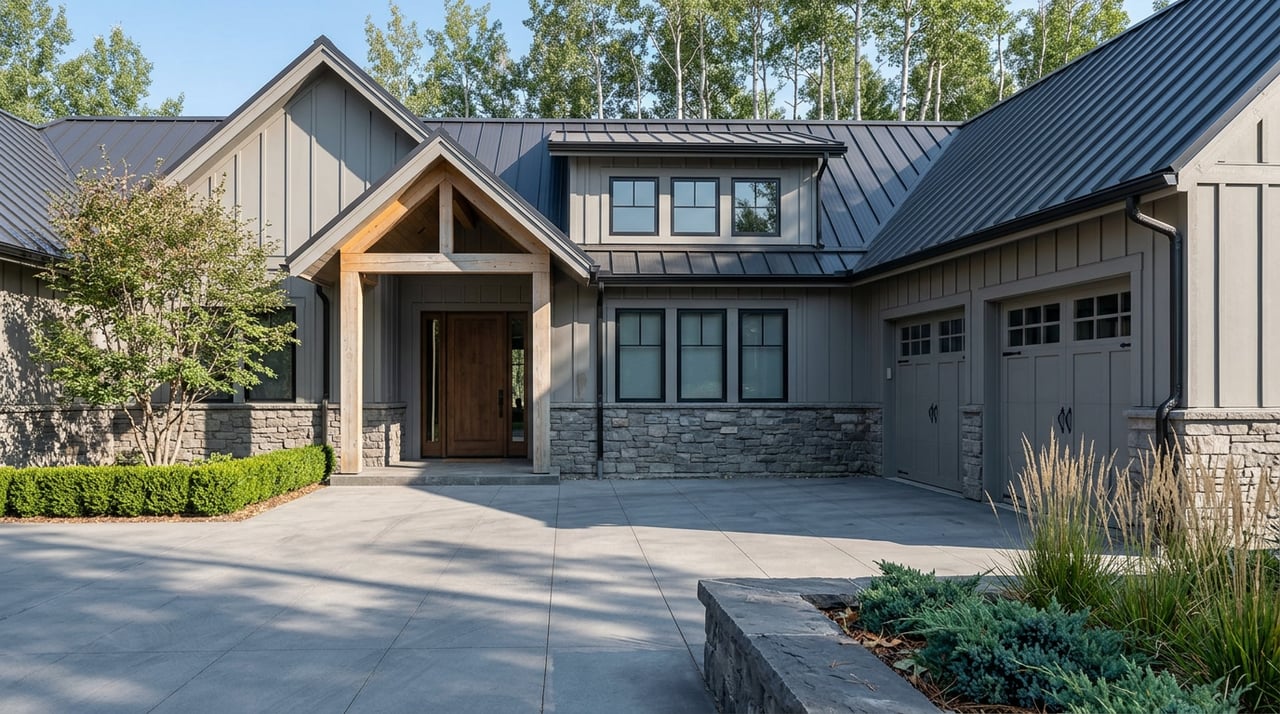
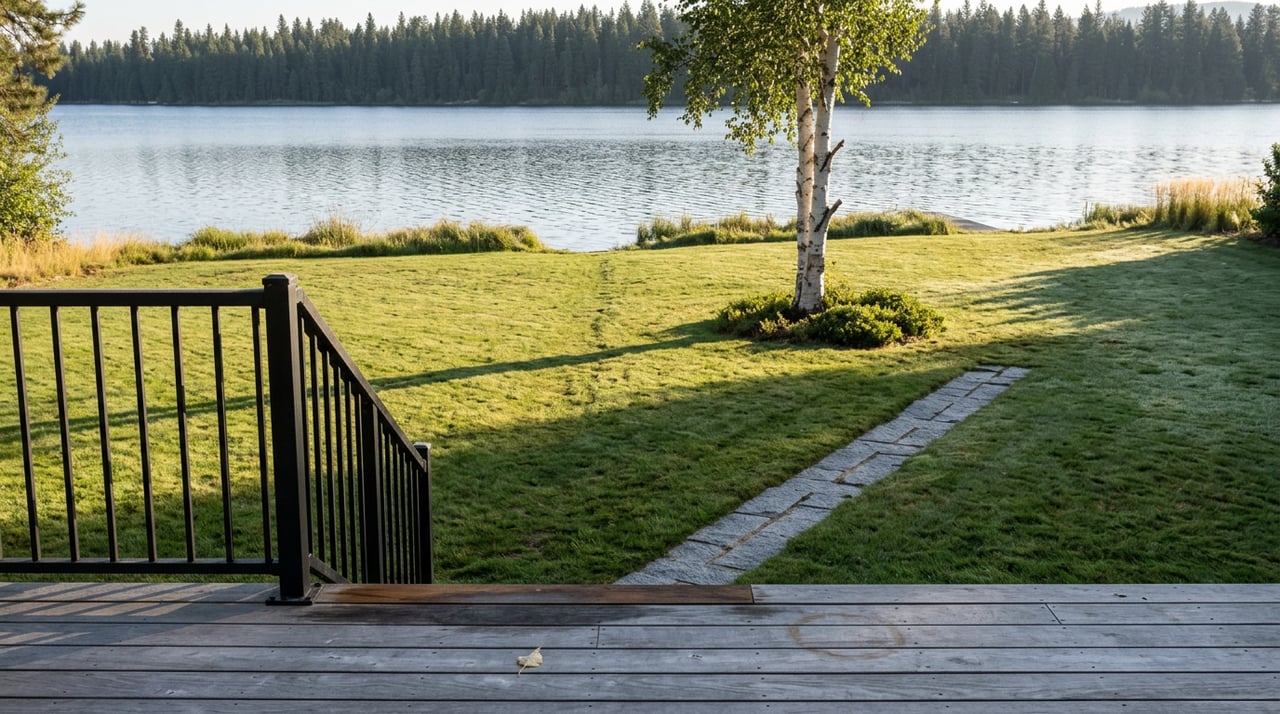
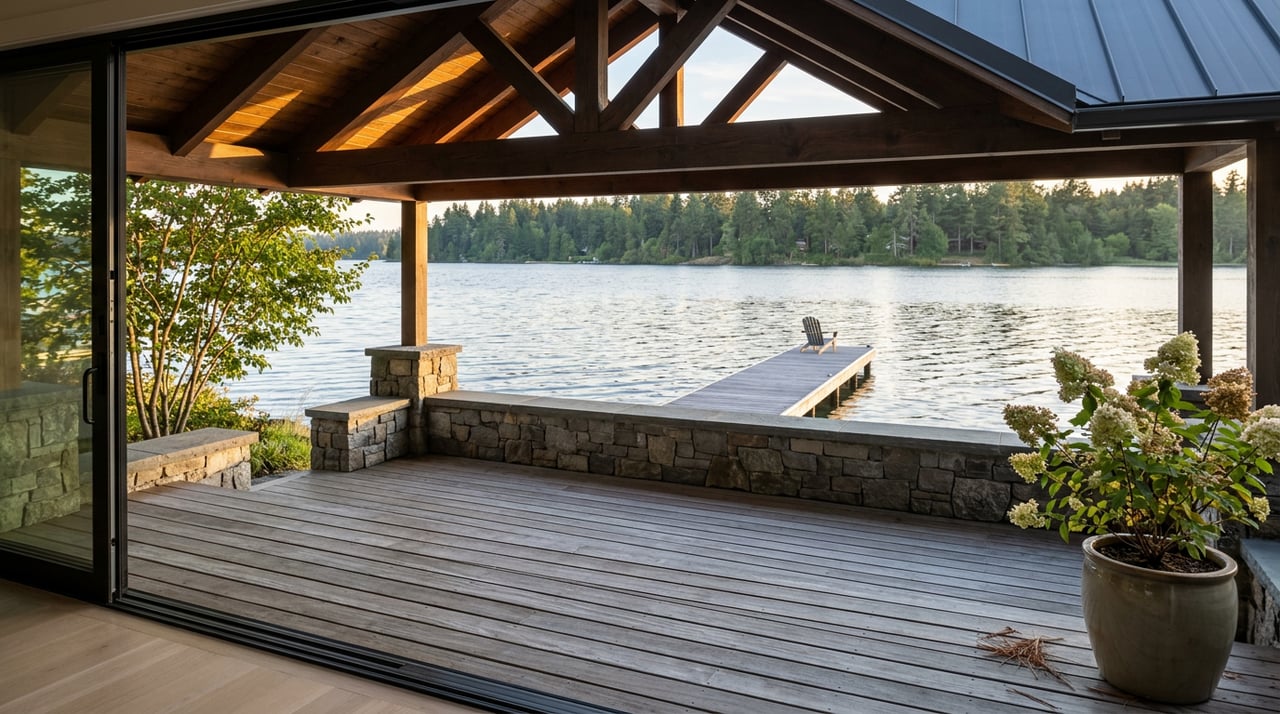
If you're picturing a waterfront listing on this lake and assuming the dock in the photos simply comes with the house, the Sourdough Point case is worth sitting with. On Lake Pend Oreille, a dock isn't a fixture the way a furnace or a built-in bookshelf is. It's a permit, issued by the state, and permits don't transfer just because a deed does.
The Dock Is a Permit, Not a Deed
Idaho owns the beds and banks of its navigable lakes below the ordinary high water mark, and Lake Pend Oreille is regulated under the state's Lake Protection Act along with a detailed rulebook, IDAPA 20.03.04, that the Idaho Department of Lands enforces. Anything permanently fixed to that lakebed, a dock, a marina, a mooring buoy, is legally an "encroachment," and building or maintaining one requires an encroachment permit from IDL.
That permit is issued to a person or entity, not baked into the parcel's legal description. When a lakefront home with an existing dock changes hands, the buyer doesn't inherit dock rights automatically. IDL requires a separate Request for Assignment form, a $300 processing fee, and proof that upland ownership actually transferred, submitted to the appropriate Supervisory Area Office. Skip that step and you can close on the house while the dock's permit still technically belongs to someone else.
What Changed on July 1
The rules governing all of this, IDAPA 20.03.04, were revised by the Idaho Legislature this year and took effect July 1, 2026, just two months before this was written. Anyone evaluating a Pend Oreille waterfront purchase right now is buying under rules that are barely broken in. If your agent or title company is working from an older summary of dock requirements, or from a brochure printed before July, it's worth asking whether anything material changed for the specific parcel you're considering.
A Fight Over Two Extra Boat Slips
The Sourdough Point case is a useful window into how seriously the state treats these permits, even for docks that have existed for decades. The community's application was modest on paper: two additional slips and 348 square feet added to an existing 7,085-square-foot community dock system, well within what the lake frontage allows under IDL's formulas. But the dispute wasn't really about square footage. Objectors pointed out that Sourdough Point's original plats from 1961, 1966, and 1968 show 111 lots entitled to association membership, while the existing community dock system provides moorage for roughly 71 boats within the lagoon. IDL's own closing brief noted that if the goal were one slip per lakefront lot, the community could be short by about 21 moorages.
None of that made the expansion illegal. IDL approved it in a final order issued in May 2026, finding the addition met the technical standards for a community dock under the rules. But it took a full evidentiary hearing, testimony from IDL's resource supervisor for navigable waterways, and months of exhibits to get there. If you're buying into any HOA on this lake where dock access is shared rather than private, that association's permit is a living document, not a settled fact, and it can be amended, contested, or capped in ways that affect whether you'll ever get a slip of your own.
Two Water Marks, One Line You Need to Know
Lake Pend Oreille has a quirk most inland lakes don't. In the early 1950s, the Army Corps of Engineers built the Albeni Falls Dam, which raised the lake's water level roughly eleven and a half feet above its natural high water mark. That created two distinct lines: the artificial high water mark, sitting around 2,062.5 feet, and the original low water mark closer to 2,051 feet. Idaho law recognizes that land between those two marks can, in some circumstances, still be privately owned rather than automatically state-owned lakebed.
For a buyer, this means the visible waterline on a summer afternoon tells you almost nothing about where your legal property ends and the state's authority begins. A current survey that accounts for both marks, not just an assumption based on where the water happens to sit that day, is the only reliable way to know what you can build, dock, or modify without tripping into encroachment territory you don't actually own.
One Lake, Two Permitting Agencies
Most North Idaho lakes only require a state encroachment permit for a dock. Lake Pend Oreille, along with Bear Lake, is different, because both are recognized as navigable waters of the United States under Section 10 of the Rivers and Harbors Act. That means docks and water intake lines on Pend Oreille need an Idaho Department of Lands encroachment permit and a separate federal permit from the Army Corps of Engineers under its Regional Permit 27, which caps most piers and floating docks at 700 square feet of deck and limits how far they can extend into the lake, generally 55 feet, though the Corps can approve up to 100 feet with a specific finding. If a listing agent tells you the dock is "permitted" without specifying which permit they mean, it's a fair question to ask which one, or whether both exist.
The County Won't Vouch for the Lot Either
Bonner County Planning describes Idaho as a buyer beware state and says it cannot confirm a lot's legality without a Certificate of Compliance. The county also hasn't operated under an adopted building code since 1997, which means county paperwork on file for a home says little about how it was actually built. Septic systems run through a completely separate approval process with the Panhandle Health District, which weighs soil type, groundwater, and proximity to surface water before permitting.
Add it up and a Pend Oreille waterfront purchase can touch four separate authorities, the state, the county, a health district, and a federal agency, none of which is required to catch what the others missed. A standard title search won't necessarily surface a lapsed dock assignment or an outstanding septic question. That's the gap where problems tend to surface after closing rather than before.
A Short FAQ
If a home already has a private dock, do I own it once I close on the house? Not automatically. The dock's encroachment permit has to be formally assigned to you through IDL, which requires a form, a $300 fee, and proof that the upland property transferred. Until that's done, the permit may still sit in the seller's name.
Does it matter if the dock looks old? It can work in your favor. Docks built before 1975, and not modified since, may qualify for a fee-free permit under the Lake Protection Act's grandfather provision, but only with documentation, dated aerial photographs, tax deeds, or similar records showing the structure's age and that it hasn't changed.
Do all North Idaho lakes require a federal dock permit? No. Lake Pend Oreille and Bear Lake are the exceptions, both requiring a U.S. Army Corps of Engineers permit in addition to the state one. Most other lakes in the region only need the IDL encroachment permit.
Who do I actually call to check a dock's permit status before making an offer? The Pend Oreille Supervisory Area of the Idaho Department of Lands, based in Sandpoint, handles encroachment questions specific to this lake. Getting a written answer on permit status before you write an offer is far easier than untangling it after closing.
If you're weighing a waterfront property on Lake Pend Oreille and want someone who checks the dock's paperwork with the same care as the home inspection, that's exactly the kind of detail I build into every transaction. Reach out to Monique Thielman to schedule a consultation before you write your offer, not after.